
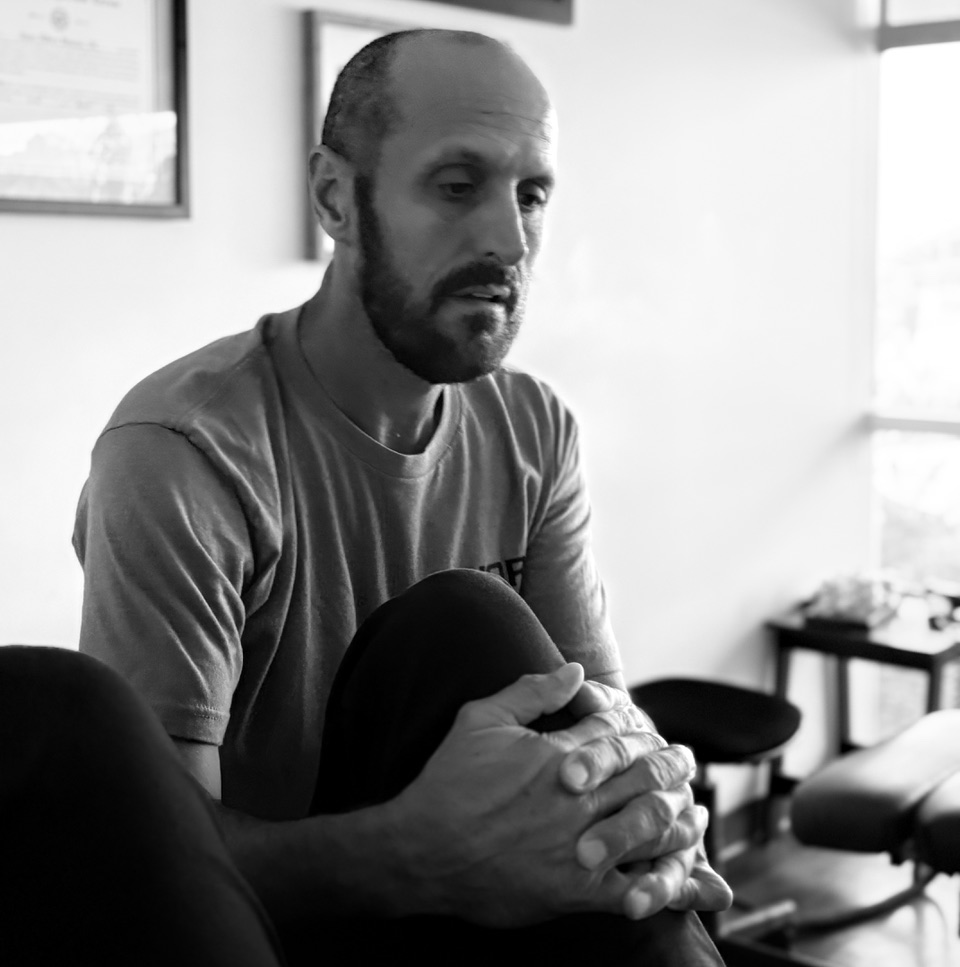
I am a chiropractor, but my goal is not to see how many joints I can adjust.
An adjustment can be useful. So can soft-tissue work, neurological mechanics, movement retraining and exercise. The question is not which tool I like best. The question is which tool makes sense for the patient in front of me.
With complicated pain, there is rarely one isolated piece. A joint may not be moving well. The surrounding tissue may be guarding. The nervous system may be sensitive to tension. The patient may have developed a movement pattern that keeps feeding the same area. If I address only one piece because that happens to be the tool associated with my professional title, I may miss the larger problem.
That is why my examinations and treatments have evolved over the years. I am looking for relationships. What is driving irritation? What is compensation? What changes when we reduce strain in one part of the system? What needs to happen next so the change can hold?
The treatment should fit the patient. The patient should never have to fit the treatment.
Ultimately, I am not trying to create a person who needs to come in forever to be “put back in place.” I want to create better function, better awareness and enough healing momentum that the patient can increasingly manage his or her own body.
If you have been receiving the same treatment over and over without a clear plan for what is supposed to change, consider a different kind of evaluation.
–Marc Bonacci, DC, PMMTP
