
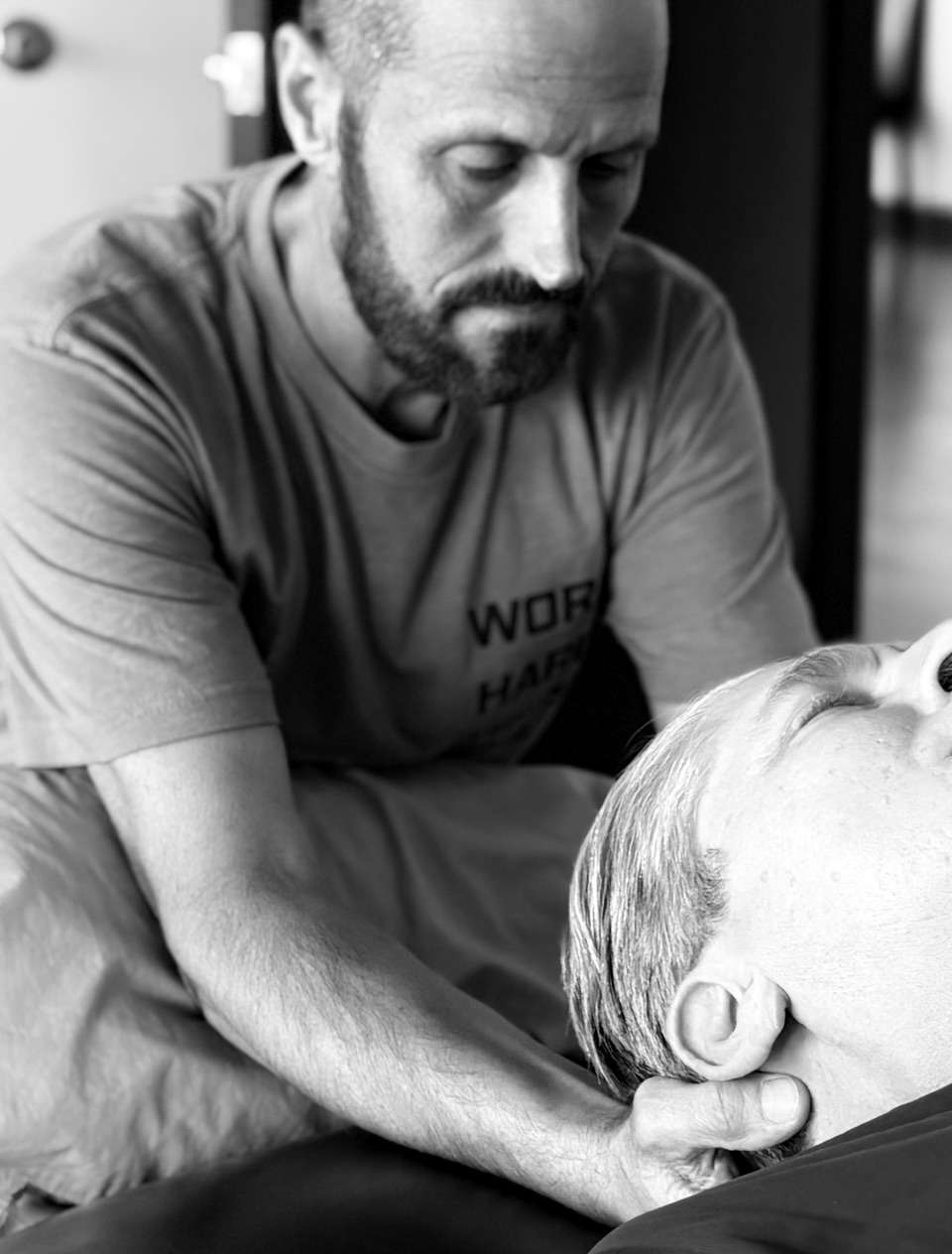
“Patient-centered care” is one of those phrases that sounds good on a website. What matters to me is what it looks like when you are actually in the treatment room.
When I am working with you, I need your feedback. If something does not feel right, tell me. If a particular position is uncomfortable, tell me. If something we did last visit made a meaningful difference, I want to know that too. Your response is information, and good treatment should be a conversation.
I also think the burden of communication belongs to us. You should understand what I found, what I am trying to change and why I am choosing a particular approach. You do not need to know every anatomical term I know, but you should have a reasonable understanding of the plan.
I never want treatment to feel like something being done to you while you lie there wondering what is happening. I want it to be something we are doing together.
That becomes especially important with chronic or complicated pain because the plan may evolve. We may learn something new from the way your body responds. We may need to change direction. That is not failure. That is clinical decision-making.
At the end of a visit, I want you comfortable, confident and clear about where we are going next. And if you are not, I want you to say so.
If you are looking for care where questions are welcome and your response helps guide the plan, come talk with us.
–Marc Bonacci, DC, PMMTP
